
Tallow 101: What It Is, Benefits for Skin & Cooking (2026 Guide)
Your great-grandmother cooked with it. Your skincare-obsessed friend swears by it. And now, tallow is having a major moment in 2026. But what exactly is this rendered animal fat—and should you be using it?
Welcome to the complete guide to tallow—a natural ingredient used by our ancestors for thousands of years. While it was neglected for decades in favor of industrial oils, this pure, natural fat is making a strong comeback, especially within the circles of healthy eating (such as the Carnivore diet) and natural skincare.
What exactly is tallow? Simply put: It is the rendered fat (suet) from cattle or sheep, often from grass-fed animals, which has undergone a slow rendering process to become pure and stable.
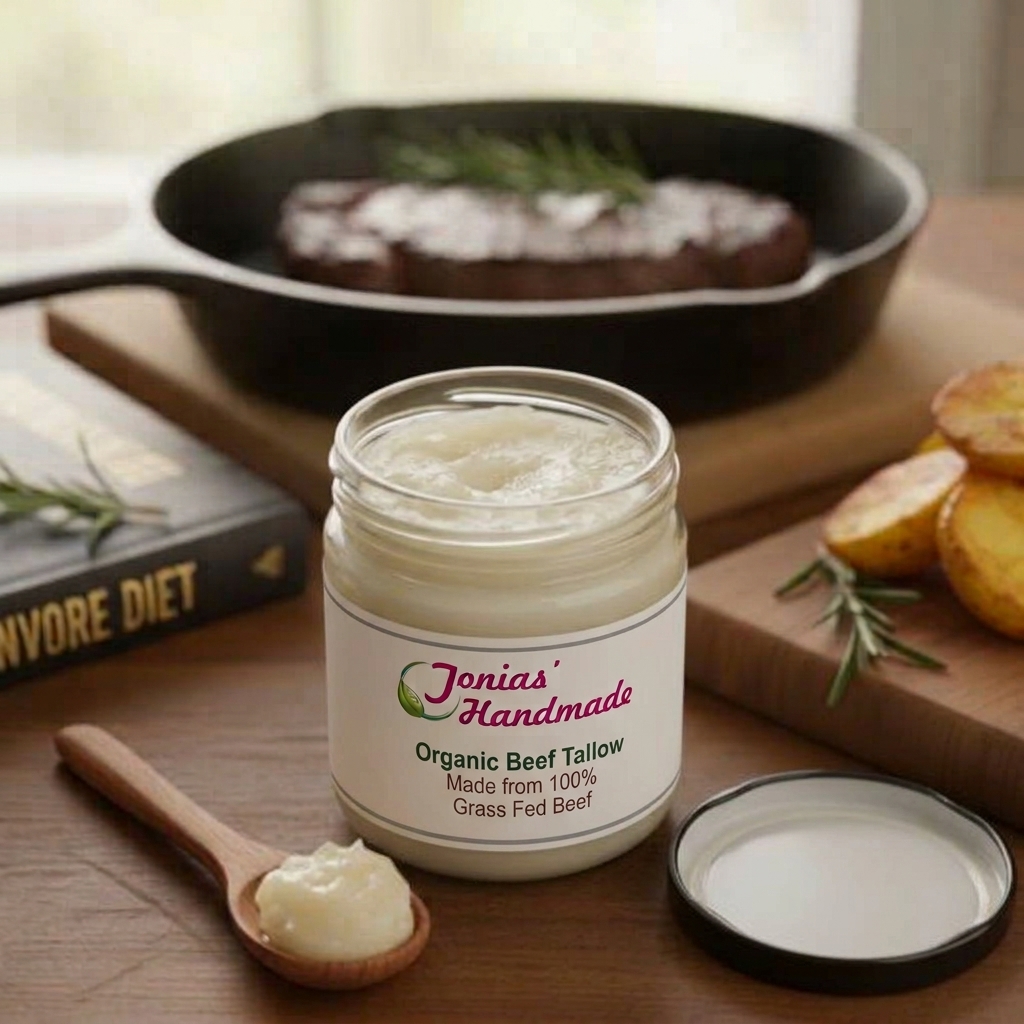
Quick Answer: What Is Tallow?
Tallow is rendered fat from cows or sheep, solid at room temperature and rich in vitamins A, D, E, and K. Grass-fed tallow is safe for both cooking (high smoke point) and skincare (mimics human sebum). It's shelf-stable, nutrient-dense, and has been used for thousands of years before modern alternatives replaced it.
1. Tallow: The Healthy Fat (Nutritional Properties)
Tallow is not just a cooking fat—it is a nutritional powerhouse.
Advantages in Cooking & Nutrition:
- High Smoke Point: With a smoke point of 480°F (250°C)—much higher than olive oil—tallow is extremely stable and ideal for baking, frying, and any high-temperature cooking without oxidizing.
- Fatty Acid Profile: It consists mainly of monounsaturated and saturated fats, such as oleic acid (the same found in olive oil) and stearic acid, which has been linked to improved mitochondrial health.
- Source of Vitamins: Tallow from grass-fed animals is rich in fat-soluble vitamins:
- Vitamins A, D, K, and E: Essential for vision, immunity, and bone health.
- CLA (Conjugated Linoleic Acid): A natural fatty acid studied for its anti-inflammatory properties.
Why Carnivores Love It:
It is a key ingredient in the Carnivore or Animal-Based diet, as it provides essential energy and nutrients while being highly digestible and free of plant toxins.
2. Tallow: The Secret to Natural Skincare
What makes tallow unique as a skincare product is its similarity to our natural sebum.
Tallow vs Coconut Oil: Which Is Better for Skin?
| Feature | Tallow (Grass-Fed) | Coconut Oil |
|---|---|---|
| Fatty acid profile | Similar to human sebum | Very different from sebum |
| Comedogenic rating | 0–2 (low risk) | 4 (high risk of clogging pores) |
| Vitamins | A, D, E, K (naturally occurring) | E, K (minimal A, D) |
| Best for | Face, body, sensitive skin, eczema | Body only (too heavy for face) |
Benefits for Skin and Hair:
- Bio-compatibility: Bovine fat has a similar cellular structure to human skin, allowing for deep absorption without clogging pores (unlike many vegetable oils).
- Deep Hydration & Healing: The high concentration of vitamins (A, D, K, E) and antioxidants makes it ideal for:
- Dry, chapped skin
- Irritation, eczema, and psoriasis
- Anti-aging action (collagen support)
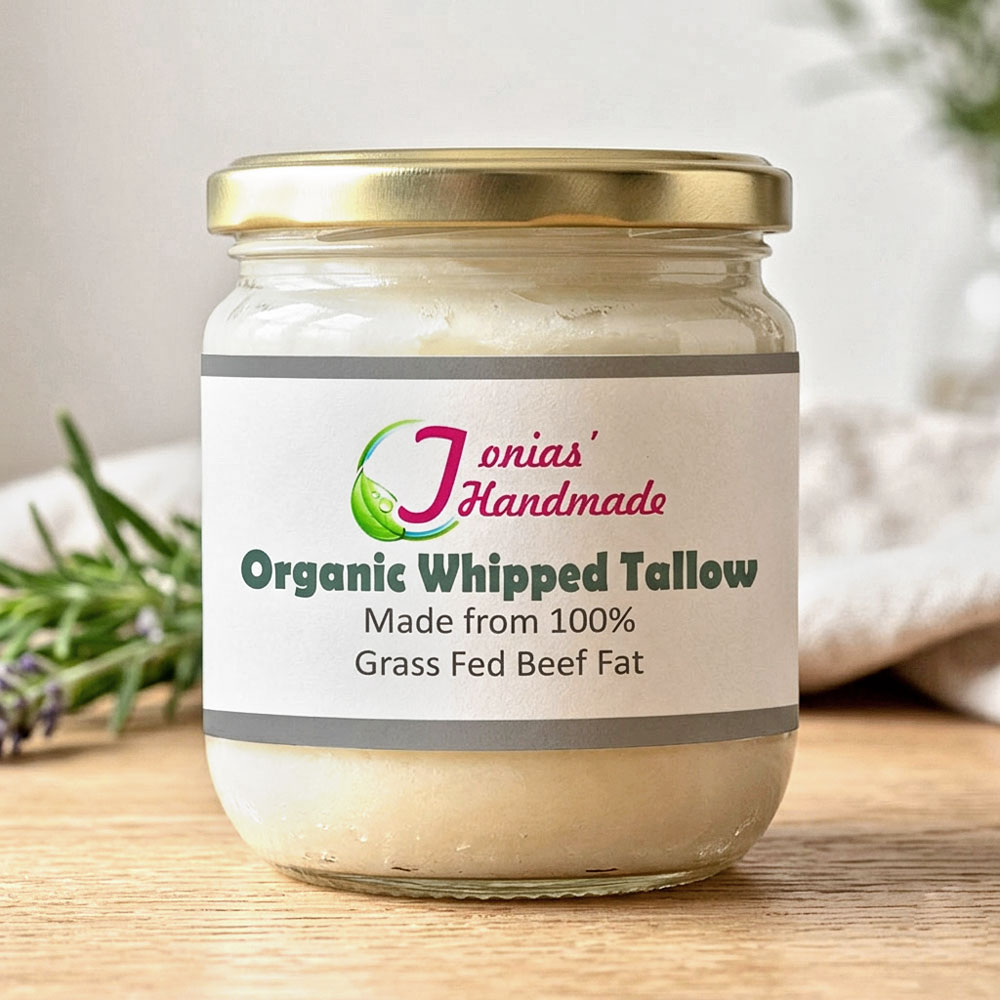
- Simplicity & Purity: A Tallow Balm (like the one we produce) often contains only tallow, without chemicals, preservatives, or artificial fragrances.
3. Who Should Avoid Tallow?
While tallow is safe for most people, it may not be ideal if:
- You have very oily, acne-prone skin: Tallow is rich and may feel too heavy. Start with a small patch test.
- You're vegan or vegetarian: Tallow is an animal product. Plant-based alternatives like shea butter or jojoba oil may work better.
- You're allergic to beef or lamb: Though rare, some people with severe meat allergies may react to topical tallow.
- You prefer lightweight, gel-based moisturizers: Tallow is richer and takes longer to absorb than water-based products.
Bottom line: Patch test first! Apply a small amount to your inner arm and wait 24 hours before using on your face.
4. How to Use Tallow
In the Kitchen:
- Frying eggs: Use a tablespoon of tallow for crispy, golden eggs
- Roasting vegetables: Toss veggies in melted tallow before roasting for extra crispiness
- Making crispy potatoes: Coat potato wedges in tallow and roast at 400°F for 30–40 minutes
- Searing steaks: Use tallow instead of oil for a perfect crust
For Skincare:
- As face moisturizer: Apply a pea-sized amount to damp skin after cleansing
- For eczema patches: Apply generously to affected areas 2–3 times daily
- As lip balm: Use pure tallow or a tallow balm for chapped lips
- For body: Apply after shower to lock in moisture
5. The Differentiation: Tallow vs. Lard vs. Schmaltz
In the family of animal fats, tallow has its cousins:
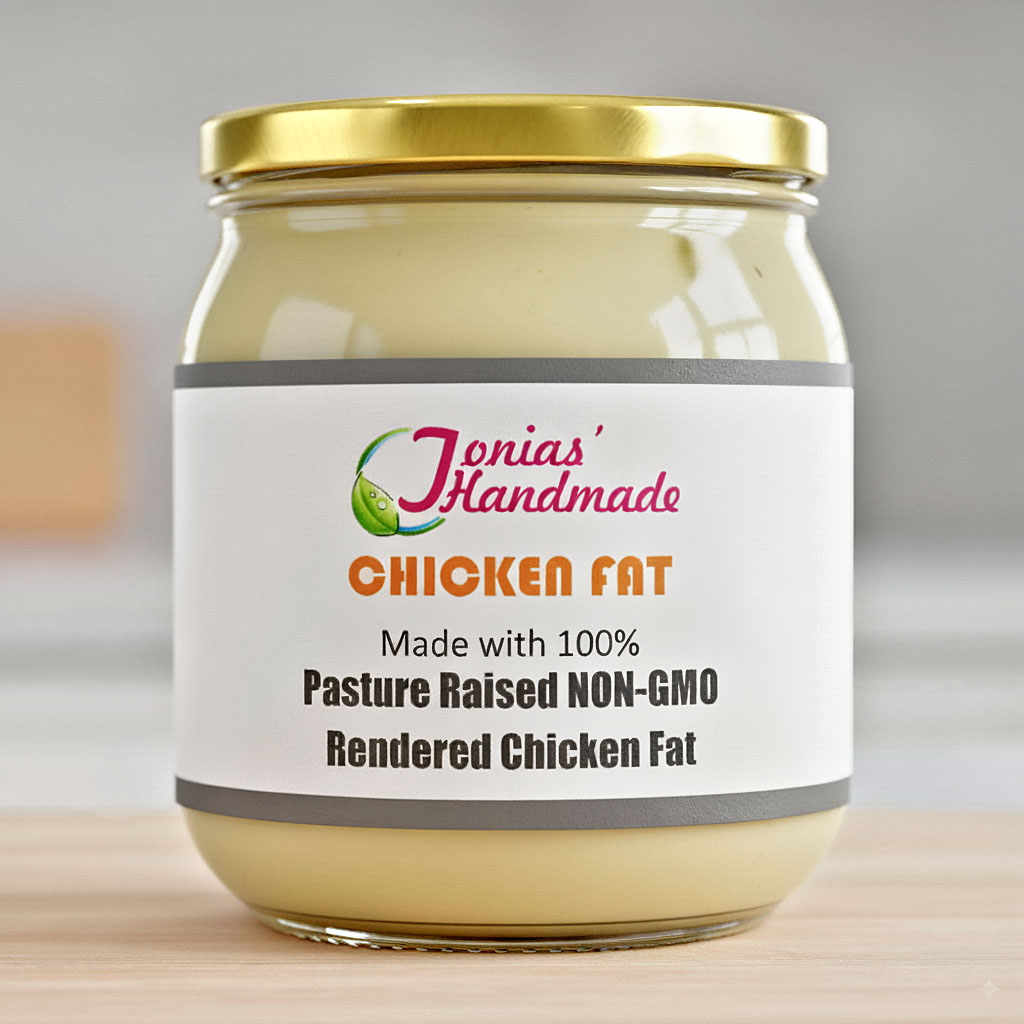
| Fat | Source | Properties & Primary Use |
|---|---|---|
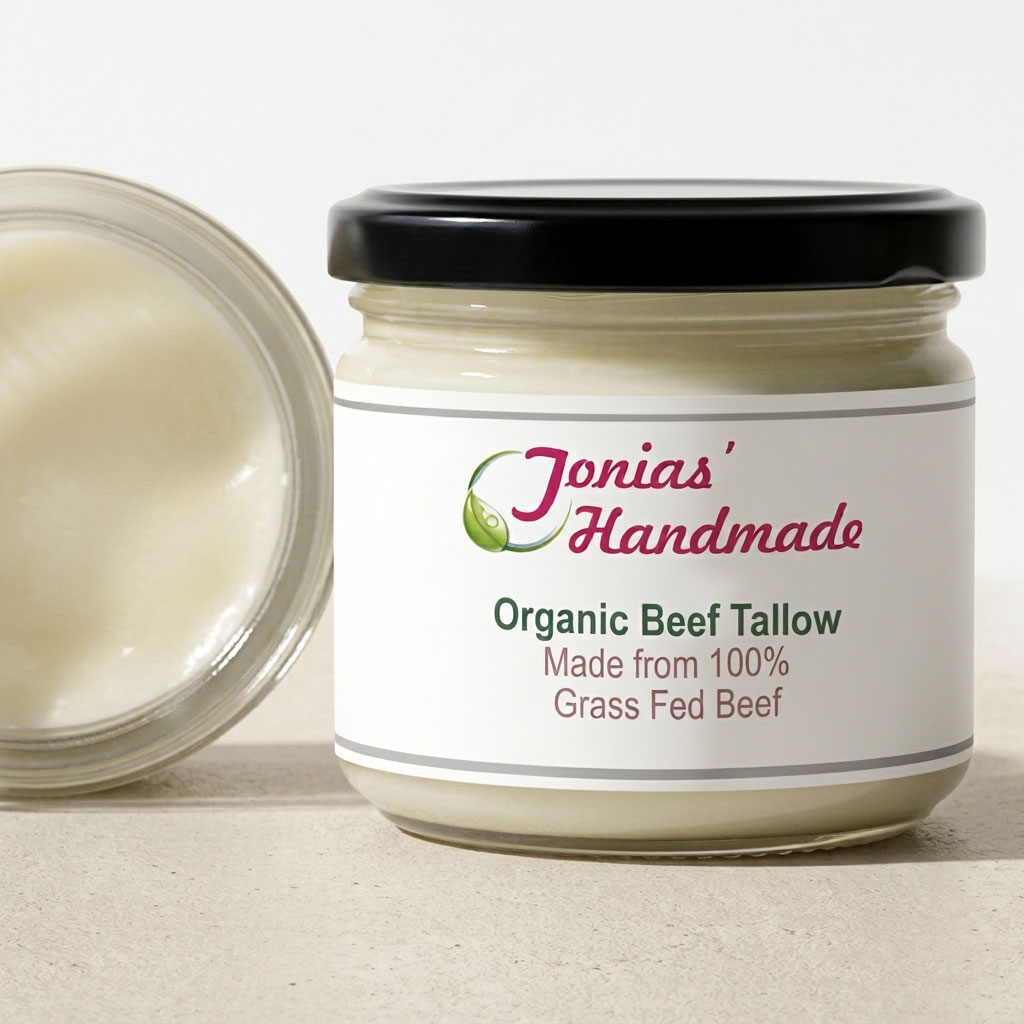
| Tallow | Beef / Mutton | Solid, firm. Ideal for high-heat cooking & as a base for Tallow Balms. |
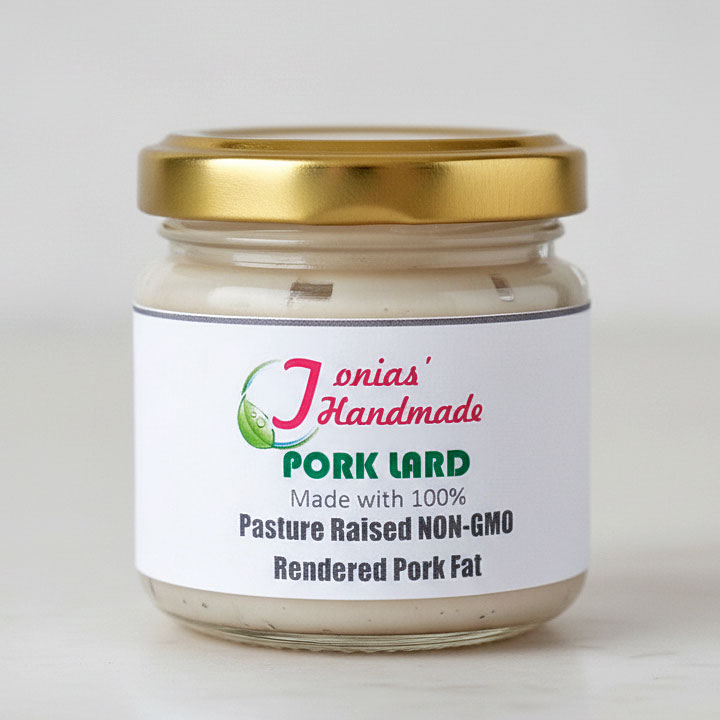
| Lard | Pork | Softer, creamier. Excellent for baking (for flaky texture), frying, and as a skin emollient. |
| Schmaltz | Chicken | Very soft, creamy. Adds rich flavor (umami) to potatoes, vegetables, and soups. Also used in specific balms for exceptional softness. |
6. Conclusion: The Choice of Quality
If you are looking for a product that combines purity, high nutritional value, and natural care—whether for your pan or your skin—organic tallow is the answer.
By choosing tallow from grass-fed, pasture-raised animals, you ensure maximum nutrients, exactly like the ones we use for the preparation of our own products.
Ready to try real, grass-fed tallow? All our products are handmade to order, 100% grass-fed, and available in both food-grade and skincare-grade.
Frequently Asked Questions About Tallow
What is tallow?
Tallow is rendered animal fat, most commonly from beef or sheep. It's solid at room temperature and rich in nutrients like vitamins A, D, E, and K. When made from grass-fed animals, tallow is both food-grade and skincare-safe.
Is tallow good for your skin?
Yes. Tallow closely mimics human sebum, making it highly absorbable and skin-compatible. It hydrates deeply, supports the skin barrier, and helps with conditions like eczema, psoriasis, and dryness—without clogging pores.
Can I use tallow on my face?
Absolutely. Many people use whipped or pure tallow as a daily moisturizer. It's especially helpful for sensitive or aging skin. Choose an unscented version for facial use to avoid irritation.
How do you use tallow in cooking?
Tallow can be used just like oil or butter. It's perfect for frying, roasting, and baking due to its high smoke point (up to 480°F / 250°C). It adds a savory depth to dishes without overpowering them.
Is tallow better than coconut oil for skincare?
Yes, especially for skin that's dry, sensitive, or damaged. Unlike plant oils, tallow shares a similar fatty acid profile to human skin, which means it absorbs more effectively and nourishes more deeply.
Does tallow clog pores?
No. High-quality grass-fed tallow is non-comedogenic, meaning it won't clog pores. It actually helps balance your skin's natural oil production.
Is tallow safe for babies and kids?
Yes. Because tallow is natural, gentle, and free from synthetic additives, it's ideal for babies' delicate skin. It can be used as a diaper balm, moisturizer, or protective barrier.
How should I store tallow products?
Store in a cool, dry place away from direct sunlight. Avoid using wet fingers to scoop from the jar, as preservative-free formulas are prone to mold when contaminated with water.
Does tallow expire?
Yes, but it has a long shelf life. Properly stored tallow lasts 12–18 months at room temperature and up to 2 years in the fridge. If it develops an off smell or discoloration, discard it.
Is tallow keto or carnivore diet friendly?
Absolutely. Tallow is 100% animal fat with zero carbs, making it perfect for keto, carnivore, and ancestral diets.